

Historically, programmatic advertising was engineered for efficiency, scale, and universal access. The framework aimed to consolidate every available impression into a single dashboard, placing global inventory at a buyer's fingertips. However, this centralized model is now quietly deteriorating.
Today, the reality looks very different. Some of the most valuable ad inventory is no longer fully accessible through programmatic channels. Platforms are pulling back, reshaping access, and introducing limitations that disrupt how advertisers and agencies operate.
This shift is not just a technical adjustment. It’s a structural change in how digital advertising works — and it’s creating serious challenges across the ecosystem.
The Shift Away from Open Programmatic Access
For years, programmatic buying thrived on openness. DSPs connected buyers to massive pools of inventory across websites, apps, and formats. Automation replaced manual deals, and scale became the defining advantage.
But platforms are no longer playing by the same rules.
A clear example comes from TikTok, which has openly stated that some of its newest and most engaging ad formats cannot be bought programmatically. Instead, these formats require direct buying or platform-specific tools.
This is not an isolated case. More platforms are following the same direction, especially when it comes to high-impact formats like native integrations, premium video, and immersive experiences.
The result is a growing divide between what can be bought programmatically and what actually delivers the most value.
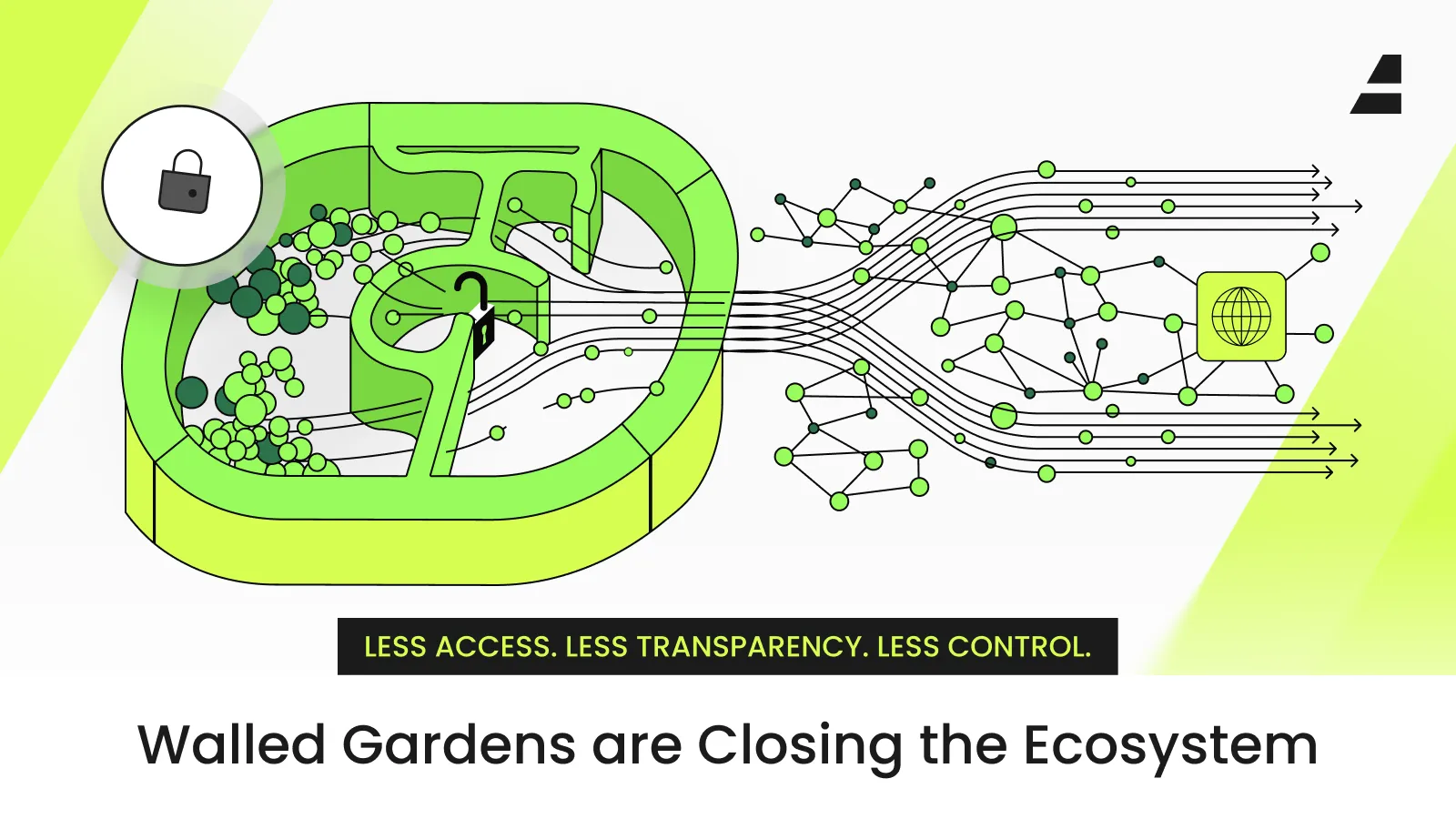
Large platforms are actively dismantling the open web's connectivity to protect their first-party data, forcing advertisers to choose between broad automation and premium, platform-locked audiences.
Why Platforms Are Restricting Programmatic Access
At first glance, limiting programmatic access seems counterintuitive. After all, automation increases demand and simplifies transactions. But from the platform perspective, the strategy makes sense.
Control is the key factor.
Platforms want tighter control over pricing, user experience, and brand safety. Programmatic auctions, while efficient, can introduce variability — from pricing inconsistencies to creative mismatches. By limiting access, platforms ensure their most valuable inventory is used in ways that align with their long-term goals.
There is also a revenue component. Direct deals and managed buying often deliver higher margins than open auction environments. By restricting programmatic access, platforms can prioritize premium demand.
Finally, data plays a critical role. Keeping certain formats outside of programmatic pipes allows platforms to protect their first-party data and maintain a competitive advantage in targeting and measurement.
The Growing Fragmentation of Media Buying
For advertisers, this shift introduces complexity.
Instead of managing campaigns through a centralized DSP, marketers now have to navigate multiple platforms, interfaces, and buying methods. Some inventory is available programmatically, some requires private marketplace deals, and some is only accessible through direct relationships.
This fragmentation breaks one of the core benefits of programmatic advertising: simplicity.
It also creates inefficiencies. Campaigns become harder to scale, optimization slows down, and comparing performance across channels becomes more complicated.
For agencies and brands focused on performance, this is a serious problem.
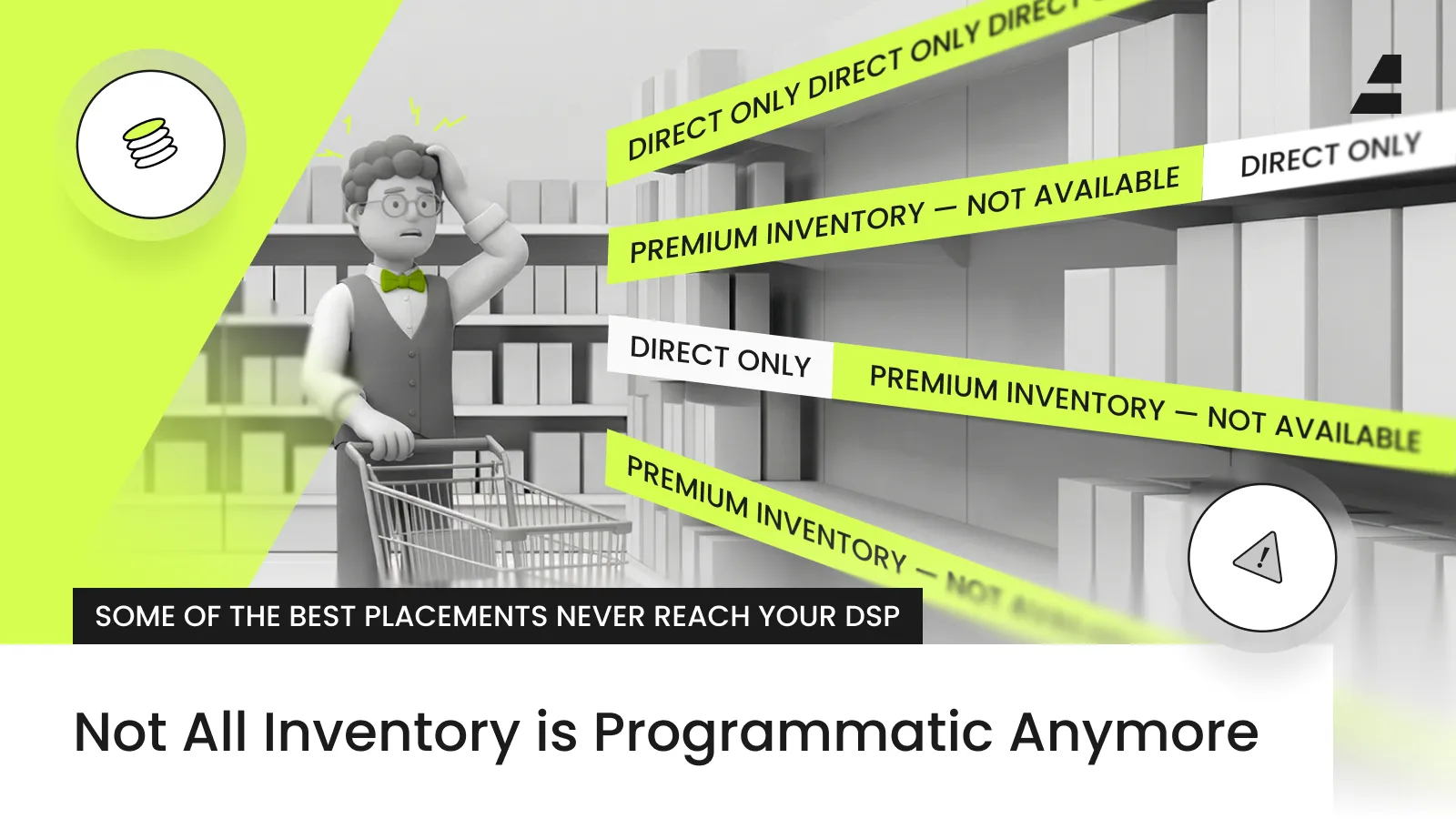
High-impact formats are increasingly "off-the-shelf" for standard DSPs, creating a value gap where the most engaging impressions require direct, non-automated relationships to secure.
The Impact on Transparency and Performance
Programmatic advertising has always positioned itself as a transparent alternative to traditional media buying. Real-time bidding, clear metrics, and detailed reporting gave advertisers confidence in where their money was going.
But as more inventory moves outside programmatic channels, transparency starts to erode.
Direct deals often come with limited visibility into pricing structures and delivery mechanics. Platform-specific buying tools may restrict access to granular data. Measurement standards can vary significantly between ecosystems.
This makes it harder to evaluate performance objectively.
Without consistent access and reporting, advertisers risk making decisions based on incomplete data — leading to inefficiencies and wasted budget.
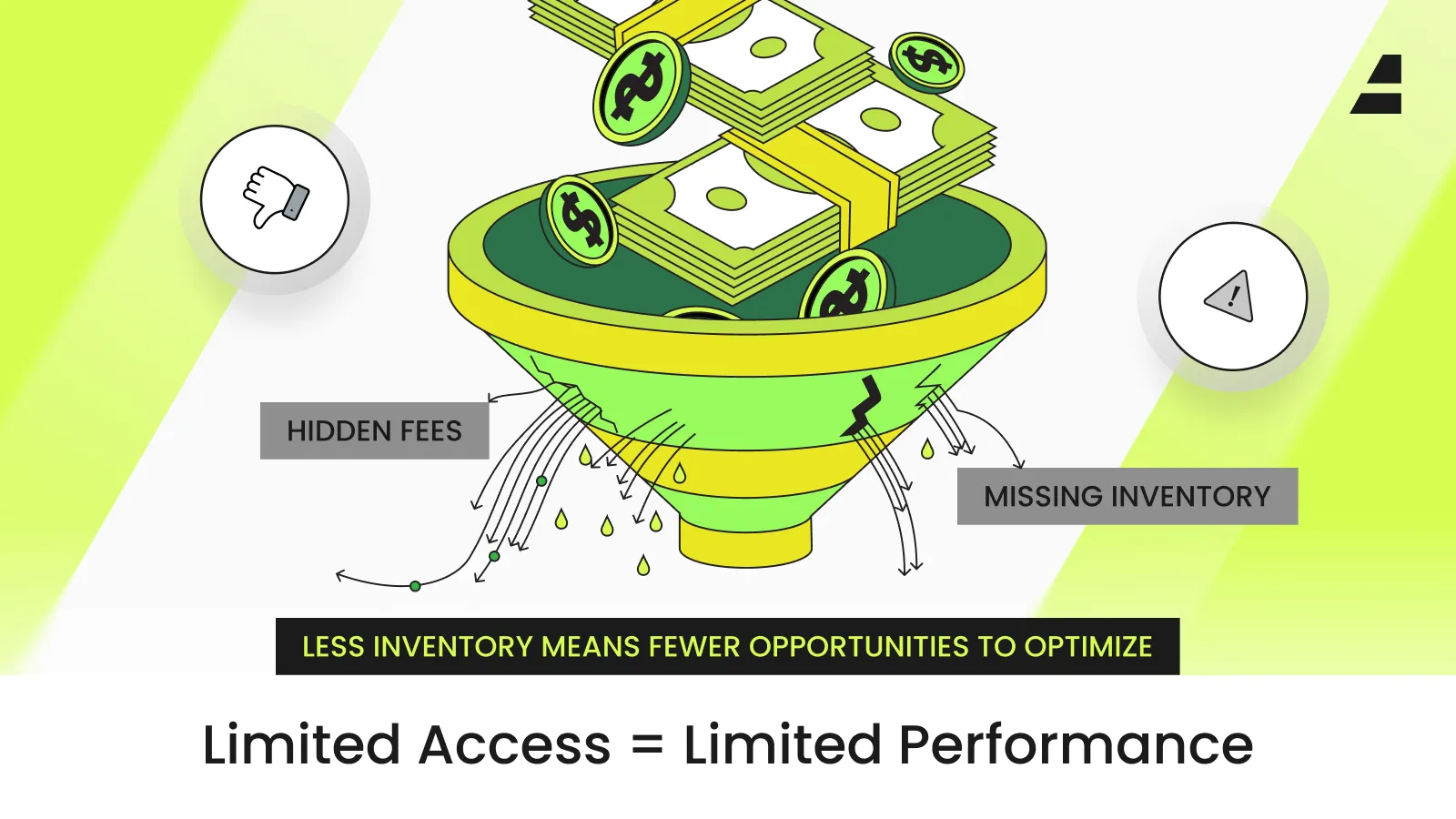
When programmatic pipes are bypassed, advertisers lose the cross-channel visibility needed for true attribution, resulting in "leaky" budgets and diminished return on ad spend.
Why This Matters for the Future of Advertising
The move away from fully open programmatic access signals a broader shift in the digital advertising landscape.
We are entering a hybrid era where automation still plays a major role, but it no longer guarantees universal access.
This has several long-term implications.
First, relationships are becoming more important again. Direct partnerships with platforms and publishers are regaining value.
Second, technology needs to evolve. Advertisers require smarter tools that can unify fragmented buying environments and deliver consistent insights.
Third, strategy matters more than ever. Simply relying on automation is no longer enough. Success now depends on how well brands can navigate a complex ecosystem.
Where Afront Stands in This New Reality
Your Digital Future, Powered from the Forefront
Afront is built for exactly this kind of environment.
As a global programmatic advertising company, Afront empowers advertisers, publishers, and agencies to stand out and scale — even as the ecosystem becomes more fragmented.
We combine advanced technology, strategic expertise, and creative excellence to ensure campaigns don’t just run — they perform.
In a world where not everything is accessible through a single pipe, Afront helps bridge the gap.
We connect advertisers with premium inventory through a mix of programmatic, direct, and curated deal structures. This ensures access to high-impact environments without sacrificing efficiency or control.
Our omnichannel approach allows brands to reach audiences across CTV, video, display, and mobile — maintaining consistency even when the buying process varies across platforms.
And most importantly, we prioritize transparency. Real-time reporting, clear metrics, and full visibility into performance ensure that advertisers always know what they are getting.
Precision, Performance, and Control — Without Compromise
The fragmentation of programmatic access doesn’t mean advertisers have to accept lower performance.
It simply means they need smarter partners.
Afront delivers precision at scale by combining algorithmic targeting with real-time optimization. Our platform analyzes behavior, context, and intent to ensure ads reach the right audience at the right moment.
We focus on quality over volume, ensuring that every impression contributes to measurable outcomes.
With access to over 300 million unique users and more than 2 billion monthly impressions, Afront provides the scale advertisers need — without relying solely on open programmatic channels.
What Advertisers Should Do Next
The key takeaway is simple: programmatic is still essential, but it is no longer enough on its own.
Advertisers need to adapt. This means diversifying buying strategies, investing in partnerships, and using platforms that can operate across both open and restricted environments.
It also means focusing on outcomes rather than processes. The goal is not just to buy impressions efficiently, but to deliver real business results.
Looking Ahead
The idea that “everything can be bought programmatically” is becoming outdated.
Instead, the future belongs to those who can navigate complexity, combine different buying approaches, and maintain control over performance.
This is not the end of programmatic advertising. It is its evolution.
And for those prepared to adapt, it represents an opportunity — not a limitation.
Want to stay ahead in a fast-changing adtech landscape? Explore our latest insights on what’s shaping programmatic in 2026 — from emerging trends to market shifts that will define performance in the months ahead.
Let’s Bring Your Brand to the Front
The rules of programmatic are changing — but your results don’t have to suffer.
With Afront, you get the technology, access, and expertise to stay ahead in a fragmented digital world.
