

The start of 2026 has already delivered a wave of announcements, partnerships, and debates across the adtech ecosystem. While each headline might seem isolated, together they reveal clear patterns about where programmatic advertising is heading next. Identity frameworks continue to evolve, artificial intelligence is becoming embedded into everyday workflows, and publishers are redefining how inventory is packaged and sold.
For advertisers and publishers trying to stay ahead, the real challenge is not keeping up with news but understanding what it means for long-term strategy. At Afront, we look beyond individual updates to identify the structural shifts shaping the future of digital advertising.

Hidden fees in programmatic reduce trust and performance — transparent supply paths drive better ROI and measurable outcomes.
Identity Is Moving Toward Flexible Collaboration
One of the most important signals from early 2026 is the continued evolution of identity solutions. Industry conversations show that identity is no longer defined by a single universal approach. Instead, companies are experimenting with collaborative frameworks that combine contextual data, first-party signals, and AI-driven modeling. This shift reflects a broader recognition that privacy-first advertising requires adaptability rather than rigid systems.
For advertisers, this means preparing for a landscape where targeting depends on multiple data sources working together. Campaign planning must consider contextual alignment and creative relevance as much as audience identifiers. Publishers, meanwhile, are under increasing pressure to build stronger first-party data strategies while maintaining interoperability with multiple identity partners.
The key takeaway is that identity is becoming an infrastructure layer rather than a product category. Marketers who invest in flexible data strategies today will be better positioned to adapt as regulations and technologies continue to evolve.
AI Is Becoming Core Infrastructure, Not a Feature
Artificial intelligence remains one of the most prominent themes across programmatic news analysis. Early 2026 headlines show a clear shift from experimental AI tools toward systems embedded directly into planning, activation, and measurement workflows. Rather than existing as a separate optimization layer, AI is becoming the logic that connects different parts of the advertising stack.
This transformation signals a deeper change in how campaigns are managed. Instead of manually adjusting bids or targeting parameters, teams are beginning to rely on AI-driven orchestration that interprets campaign goals and makes real-time decisions. The impact is particularly visible in curation tools and contextual analysis platforms, where AI models help define inventory quality and audience relevance.
However, the growing presence of AI also introduces new responsibilities. Advertisers must ensure that automated decisions align with brand goals, while publishers need to provide structured metadata that allows AI models to interpret content accurately. As automation increases, transparency and governance will become essential components of effective AI adoption.
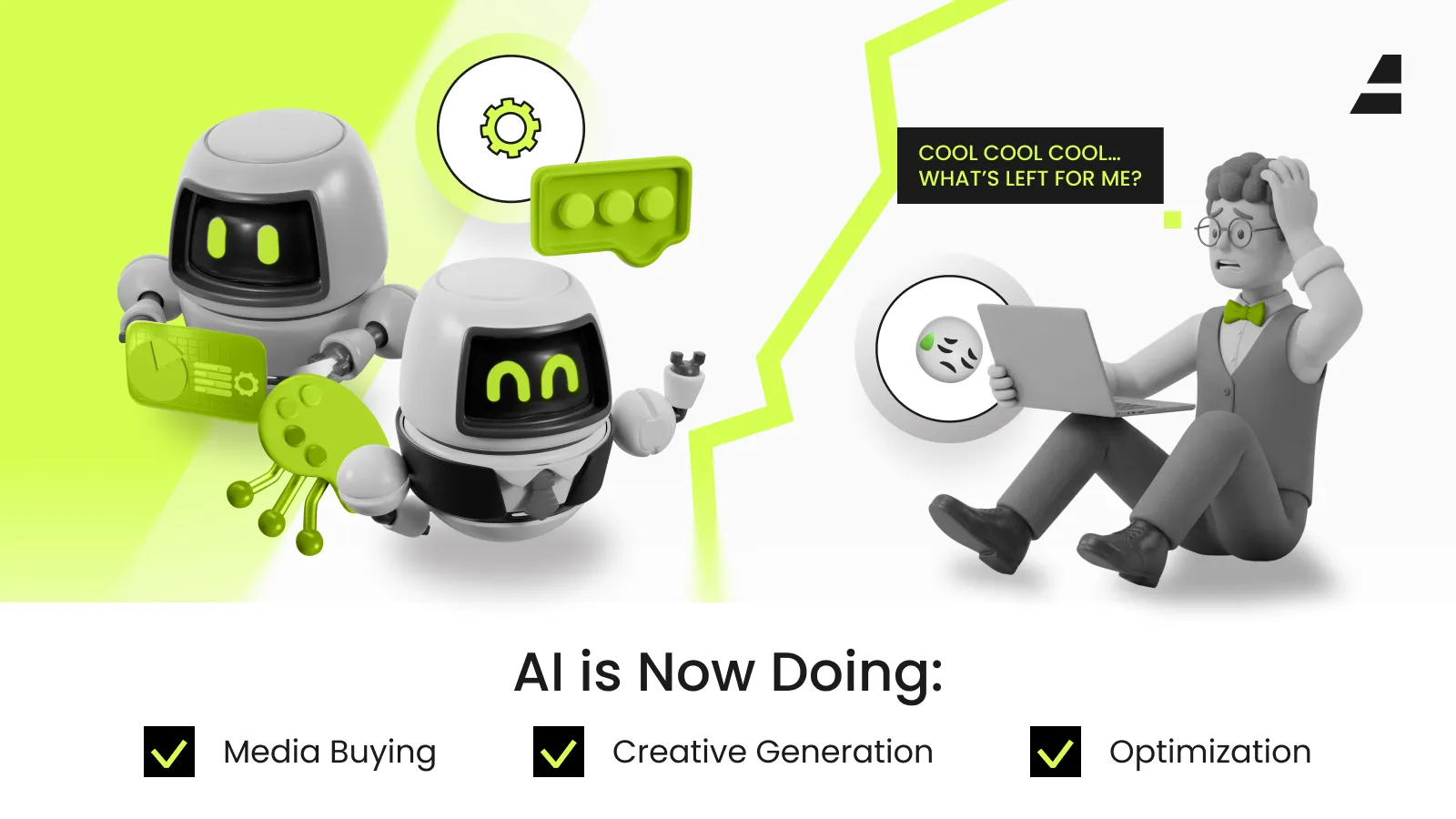
AI is transforming programmatic advertising — automating media buying, creative generation, and real-time optimization at scale.
Publisher Dynamics Are Shifting Toward Curated Supply
Another major theme emerging from early 2026 is the transformation of publisher strategies. As buyers demand greater transparency and efficiency, publishers are exploring curated marketplaces and cleaner supply paths. Instead of relying solely on open auctions, many are focusing on structured deals that provide clearer value propositions for advertisers.
This shift reflects a broader trend toward quality over quantity in programmatic inventory. Advertisers are increasingly prioritizing environments that offer reliable signals and consistent performance. Publishers that invest in clear metadata, creative identifiers, and direct integrations are likely to attract more demand in an ecosystem driven by automation.
For independent publishers, the message is clear: differentiation will come from data quality and strategic partnerships rather than scale alone. Curated supply paths help reduce complexity while giving buyers greater confidence in the environments they are investing in.

As attention shifts from display to CTV and video, programmatic budgets must follow high-impact, performance-driven channels.
The Strategic Impact for Advertisers
Taken together, early 2026 adtech trends suggest that advertisers must rethink how they approach programmatic planning. Success will depend less on managing individual platforms and more on orchestrating connected workflows that combine identity, context, and automation.
Marketers should focus on building strategies that remain adaptable as technologies evolve. This means prioritizing first-party data collection, investing in contextual understanding, and ensuring that AI tools align with clear performance objectives. The most successful campaigns will likely be those that treat programmatic as a dynamic system rather than a static channel.
Another important shift involves measurement. As AI-driven optimization accelerates, advertisers will need to evaluate not only outcomes but also the decision-making processes behind them. Understanding how algorithms interpret signals will become just as important as analyzing performance metrics.
The Strategic Impact for Publishers
For publishers, early 2026 headlines highlight the importance of clarity and collaboration. As buyers seek more efficient supply paths, publishers that simplify their infrastructure and strengthen signal quality will stand out. This involves refining metadata, aligning inventory packaging with programmatic workflows, and ensuring transparency across the supply chain.
Publishers should also view AI as an opportunity to enhance monetization rather than a threat to control. By providing structured signals and clear content descriptions, they enable AI-driven buying systems to recognize value more effectively. The goal is to create an environment where automation works in favor of premium inventory rather than commoditizing it.
Looking Ahead: Building Strategy Around Signals, Not Noise
The early months of 2026 show an industry moving toward integration rather than fragmentation. Identity collaboration, AI-driven orchestration, and curated supply paths are not isolated trends but interconnected shifts shaping the future of programmatic advertising. Companies that interpret these signals strategically will be able to adapt faster and unlock new opportunities for growth.
Rather than reacting to every new headline, advertisers and publishers should focus on building infrastructure that supports flexibility. This includes investing in data quality, aligning workflows with automation, and maintaining strong partnerships across the ecosystem. The goal is to create a foundation that allows innovation to scale without adding unnecessary complexity.
Programmatic budgets don’t disappear — they leak through inefficient supply paths and hidden intermediaries. See how Supply Path Optimization turns wasted spend into performance.
Turn Industry Headlines Into Actionable Strategy
Reading adtech news is one thing. Turning it into growth is another. At Afront, we help advertisers and publishers transform market trends into practical execution — from AI-ready programmatic infrastructure to smarter monetization strategies.
If you’re ready to align your strategy with the signals shaping 2026, start a conversation with our team today.
Let’s turn insight into impact — and build a programmatic strategy that’s ready for what comes next.
