
For years, Deal-IDs were positioned as the safest way to buy programmatic inventory. They promised control, predictability, and protection from the chaos of open auctions. But the programmatic ecosystem has evolved — and Deal-IDs have not kept up.
Major platforms are stepping back from the idea that Deal-IDs can solve today’s challenges. What once felt like precision has increasingly become friction. Slow updates, limited flexibility, fragmented data, and restricted access to signals are turning Deal-IDs into a bottleneck rather than a solution.
Programmatic is entering a new phase. One where speed, transparency, and real-time decisioning matter more than static deal labels. This shift is paving the way for a new model built on direct APIs, cleaner integrations, and smarter automation — and it’s redefining how advertisers and publishers work together.
The Problem With Deal-IDs in Today’s Programmatic Reality
Deal-IDs were created to bring structure to programmatic buying. In a simpler ecosystem, they worked. Inventory was limited, supply paths were shorter, and performance expectations were lower. But modern programmatic — especially in CTV, video, and omnichannel environments — moves too fast for static deals.
Deal-IDs rely on pre-negotiated terms that rarely adapt to real-time market conditions. Pricing becomes rigid. Inventory availability fluctuates. Performance optimization slows down. When market signals change, Deal-IDs often lag behind, forcing advertisers to either overpay or miss opportunities.
Even more concerning is transparency. Many Deal-ID paths still include multiple intermediaries, hidden reselling, and limited visibility into where impressions actually originate. What was meant to simplify buying often adds another opaque layer to the supply chain.
As programmatic budgets grow and scrutiny increases, advertisers are asking tougher questions. They want to know exactly how impressions are sourced, how prices are formed, and how performance is optimized in real time. Deal-IDs struggle to provide those answers.
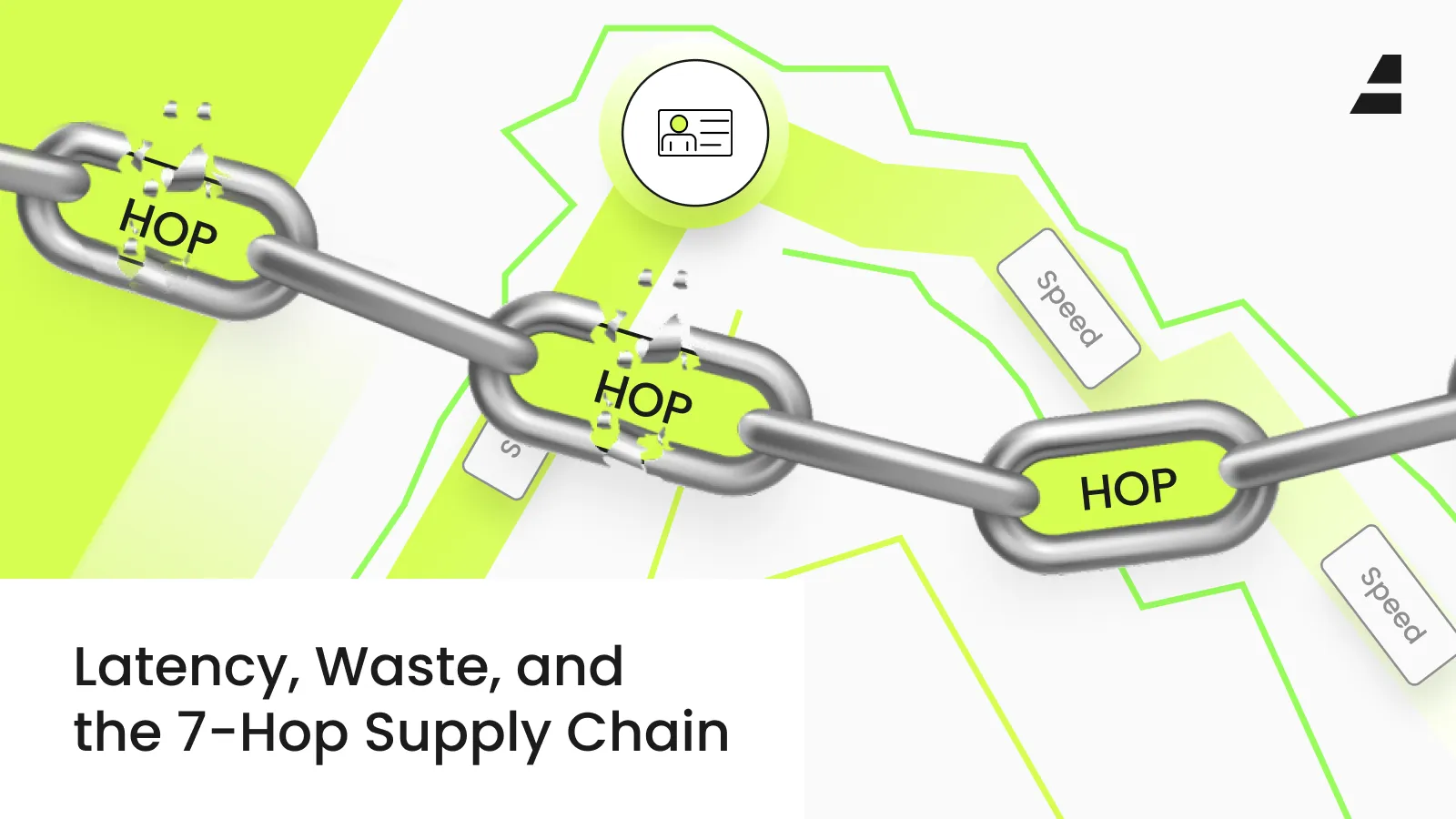
7-Hop Bottleneck. More intermediaries mean higher latency and opacity. The Deal-ID path hinders programmatic speed.
Why the API Era Changes Everything
APIs represent a fundamental shift in how programmatic deals are created and executed. Instead of relying on static IDs, APIs enable direct, dynamic connections between buyers and sellers.
Through API-based integrations, advertisers can access inventory, pricing, and performance signals instantly. Campaigns can adjust in real time based on audience behavior, device signals, and contextual factors. Publishers can expose high-quality inventory without locking themselves into inflexible deal structures.
This model removes the artificial separation between “open” and “deal-based” buying. Transparency is no longer a promise — it’s built into the connection itself. Supply paths become shorter, signals become cleaner, and optimization becomes continuous instead of reactive.
At Afront, this shift aligns directly with how we build programmatic relationships. Our platform is designed to support smarter, faster, and more transparent buying — across CTV, video, display, and emerging formats — without forcing advertisers into outdated deal mechanics.

Paying for Waste. Hidden fees and latency tax steal up to 70% of the budget. API models eliminate this programmatic waste.
What This Means for Advertisers
For advertisers, the decline of Deal-IDs is not a loss of control — it’s an opportunity to regain it.
API-driven programmatic buying allows advertisers to move beyond fixed inventory packages and focus on outcomes. Instead of buying labels, brands can buy audiences. Instead of negotiating static CPMs, they can optimize pricing dynamically. Instead of relying on delayed reports, they can make decisions based on live performance data.
This approach also reduces waste. Cleaner supply paths mean fewer intermediaries, lower hidden fees, and stronger alignment between spend and results. Advertisers gain the flexibility to scale quickly, pause instantly, and reallocate budgets based on real performance — not assumptions baked into a Deal-ID.
With Afront’s algorithmic targeting and real-time optimization, advertisers can activate premium inventory while maintaining full transparency and control. Campaigns don’t just run — they evolve.
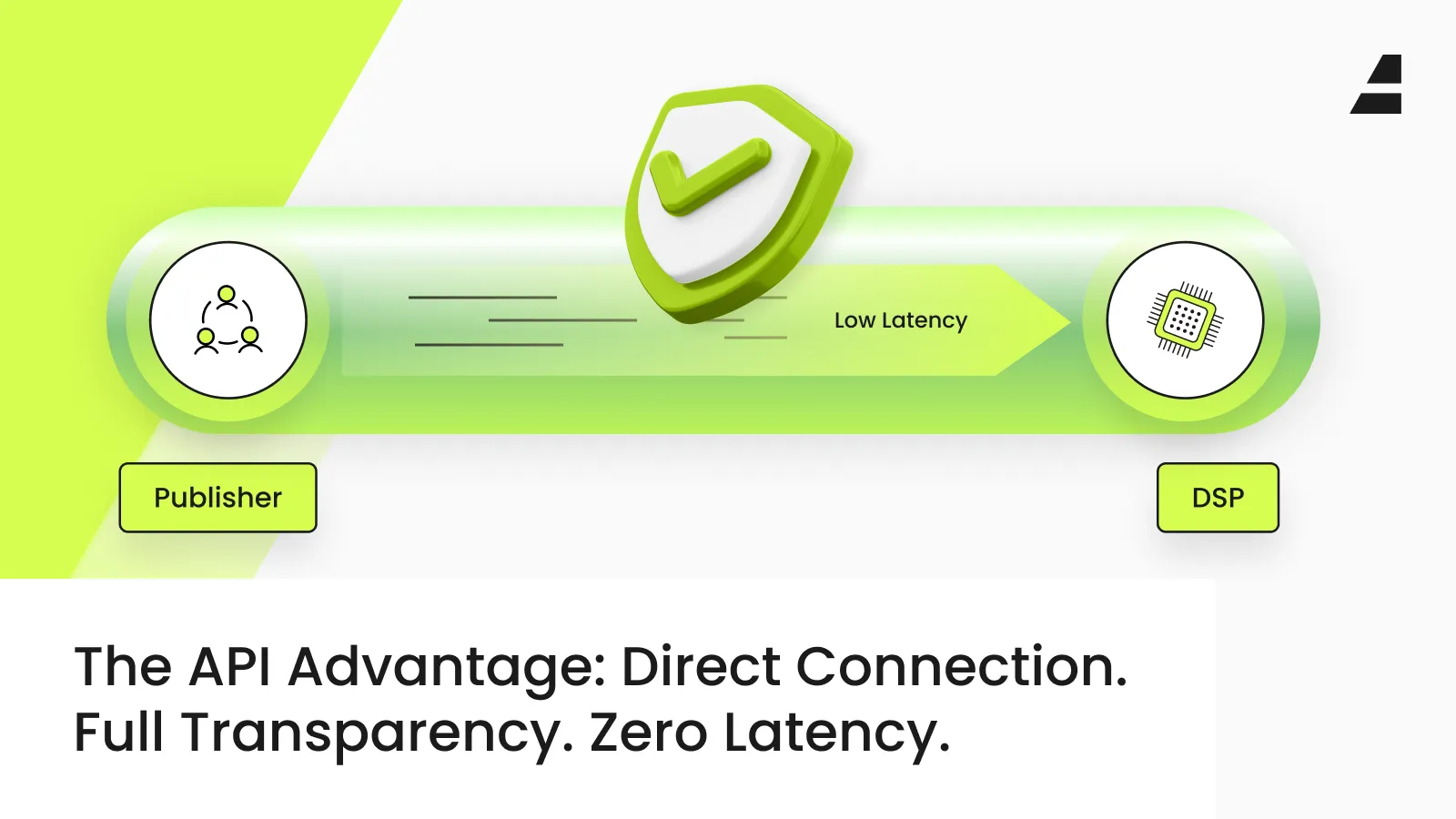
Unlocking True Value. Clean paths and speed are essential. APIs enable the transparent auctions needed for high-performance programmatic deals.
What This Means for Publishers
Publishers are equally affected by the limitations of Deal-IDs. While deals can provide short-term stability, they often cap long-term revenue potential. Static pricing and limited access to demand signals can prevent publishers from capturing true market value.
API-based integrations allow publishers to expose inventory more intelligently. Instead of locking inventory into rigid agreements, publishers can respond to demand fluctuations, protect premium placements, and maximize yield dynamically.
At Afront, we connect premium publishers with top-tier advertisers through direct, transparent programmatic infrastructure. Our focus on quality, performance, and clean supply paths ensures that publishers benefit from real competition — not artificial constraints.
This approach also improves user experience. Cleaner auctions reduce latency, prevent intrusive formats, and maintain trust between publishers and their audiences. In a world where attention is fragile, that trust is invaluable.
Why Transparency Is Becoming the Real Currency
The decline of Deal-IDs is part of a larger industry shift. Programmatic success is no longer measured by how many deals you activate, but by how clearly you can see and control what happens inside them.
Transparency enables better pricing, stronger performance, and more sustainable partnerships. It allows advertisers to justify spend and publishers to defend value. And it creates a healthier ecosystem where trust replaces guesswork.
Afront’s philosophy is built on this principle. We believe quality, clarity, and performance should never be traded for convenience. Our real-time dashboards, clear metrics, and transparent reporting ensure that every partner sees exactly what’s happening — always.
Where This Evolution Is Headed Next
As APIs replace Deal-IDs, programmatic deals will become more fluid, more data-driven, and more aligned with business outcomes. The winners will be those who embrace flexibility instead of clinging to legacy structures.
Advertisers will gain sharper control over reach and frequency across channels. Publishers will unlock smarter monetization without compromising user experience. And platforms that prioritize transparency and performance will define the next generation of programmatic advertising.
Transparency challenges are a persistent threat, especially as CTV spending grows. If you need a deeper understanding of how these issues are undermining confidence and what immediate steps smart platforms should take, revisit our definitive piece.
Read the essential CTV guide and secure your ad spend: Why CTV’s Transparency Problem Is More Dangerous Than You Think — And What Smart DSPs & Publishers Should Do About It.
Let’s Bring Your Brand to the Front
Deal-IDs had their moment. The future belongs to real-time, transparent, API-driven programmatic.
Whether you’re an advertiser seeking smarter performance or a publisher ready to unlock full inventory value, Afront helps you move beyond limitations and into a more efficient, accountable ecosystem.
Let’s build programmatic deals that actually work — faster, cleaner, and built for what’s next. Contact our team.
